The Data Says
Fix the Funnel
12 months of GSC and GA4 data across organic and paid pages. The site engages. It just doesn't convert.
"We have a traffic problem." — No. We have a 627,000-person bouncing problem.
April 8, 2026 — uagc.edu — Apr 2025–Apr 2026
Revised Apr 29, 2026 — incorporates A/B test results (Nov 2025) and Performance Marketing data corrections
of visitors to our biggest landing page bounce immediately
/success/request-info-v5: 1.18M sessions, 53.2% bounce, 3.01% conversion. That’s ~627K paid visitors leaving without engaging. We tested sending them to a content-rich page — for Meta traffic, simplicity won. The opportunity is a hybrid: v5’s conversion focus + trust elements.
An A/B test (Nov 2025) showed Meta audiences prefer a page built for one action rather than browsing. But 53% still bounce — the page needs stronger emotional connection, credibility, and concise value props without adding friction.
Not more content. Better content.
Meanwhile, blog pages averaging 8–15 minutes of engagement produce 21 conversions from 149K sessions. People are reading. They're just not being asked to do anything.
The Big Picture
Device Split
6 out of 10 visitors are on their phone. And they're less impressed than desktop users.
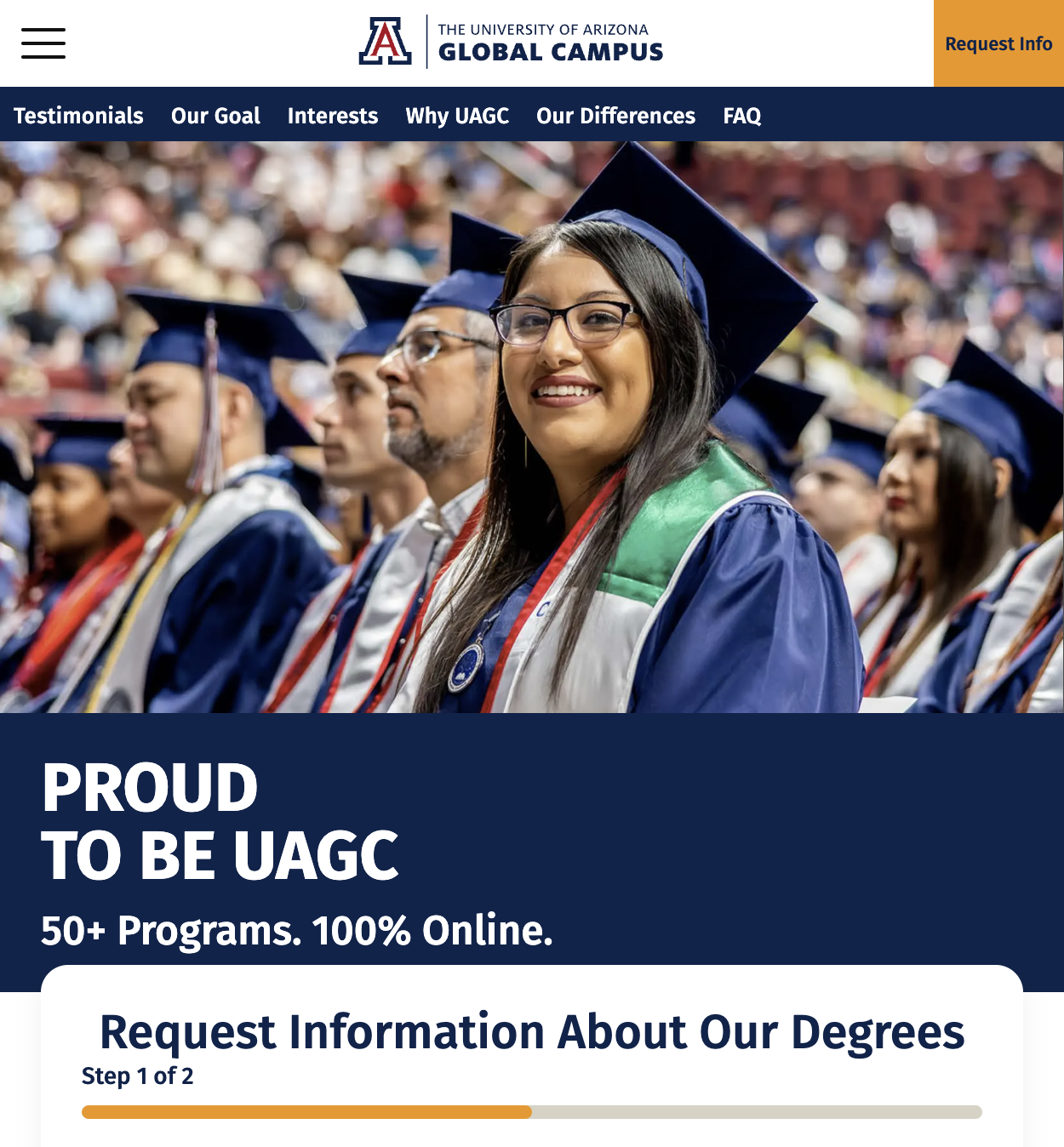
Homepage — Above the Fold
Where Traffic Comes From
& How It Performs
Paid Search is the top converter (77.5K). Display secretly overperforms (59.6K conv, 64% eng). Paid Social brings volume (1.91M) but only 42% engagement. AI Traffic is tiny but engaged — the future is watching.
Paid Social: "I brought 1.9 million people!" — Website: "And 57.9% of them left immediately."
More Traffic, Worse Engagement
Sessions spike during enrollment pushes but engagement craters. The pages break under pressure.
October: "Look at all this traffic!" — Also October: "...where did everyone go?"
Users Aren't Just Bouncing.
They're Frustrated.
Site-level frustration data from Contentsquare (Apr 2–8, 2026). Frustration score: 44/100 — consistently elevated.
Top Frustration Factors
35,823 sessions where users landed and consumed nothing. We already knew the bounce rate. Now we know the emotion behind it.
Rage Click Hotspots
| Page | Rage Clicks |
|---|---|
| /apply-now | 1,839 |
| /s/enrollment-agreement | 887 |
| /s/ | 837 |
| /s/app2a-prior-education | 698 |
| /success/online-programs-v8 | 276 |
| / (homepage) | 149 |
The application funnel (/s/* pages) appears in every frustration category. Users who want to enroll are hitting walls. /apply-now leads in rage clicks and excessive hover (3,986 page views). The enrollment agreement page triggers 1,207 button multi-clicks — people are hammering submit.
We Tested This Premise.
The Answer Is a Hybrid.
The lesson: For cold social traffic, simplicity and emotional connection beat content depth. The raw gap between these pages is mostly channel mix, not page quality. But there’s still a meaningful opportunity: a hybrid page that keeps v5’s conversion focus while adding the trust and credibility elements visitors need to act.
The Form Isn’t the Problem.
The Content Around It Is.
/request-info-v5 has 3 RFI touchpoints. The form structure works. But 53% of visitors leave without engaging because the page doesn’t answer their questions before the ask. The fix: add trust elements, not more forms.
What Users Actually See
The page already uses a two-step form. The problem isn't the number of forms — it's the page content between them. Generic copy, no program-specific value props, no social proof above the fold. 53% of visitors leave before engaging.
Conversion by Page
The winning page doesn't have more forms. It has better content around them.
Engaged but Not Converting
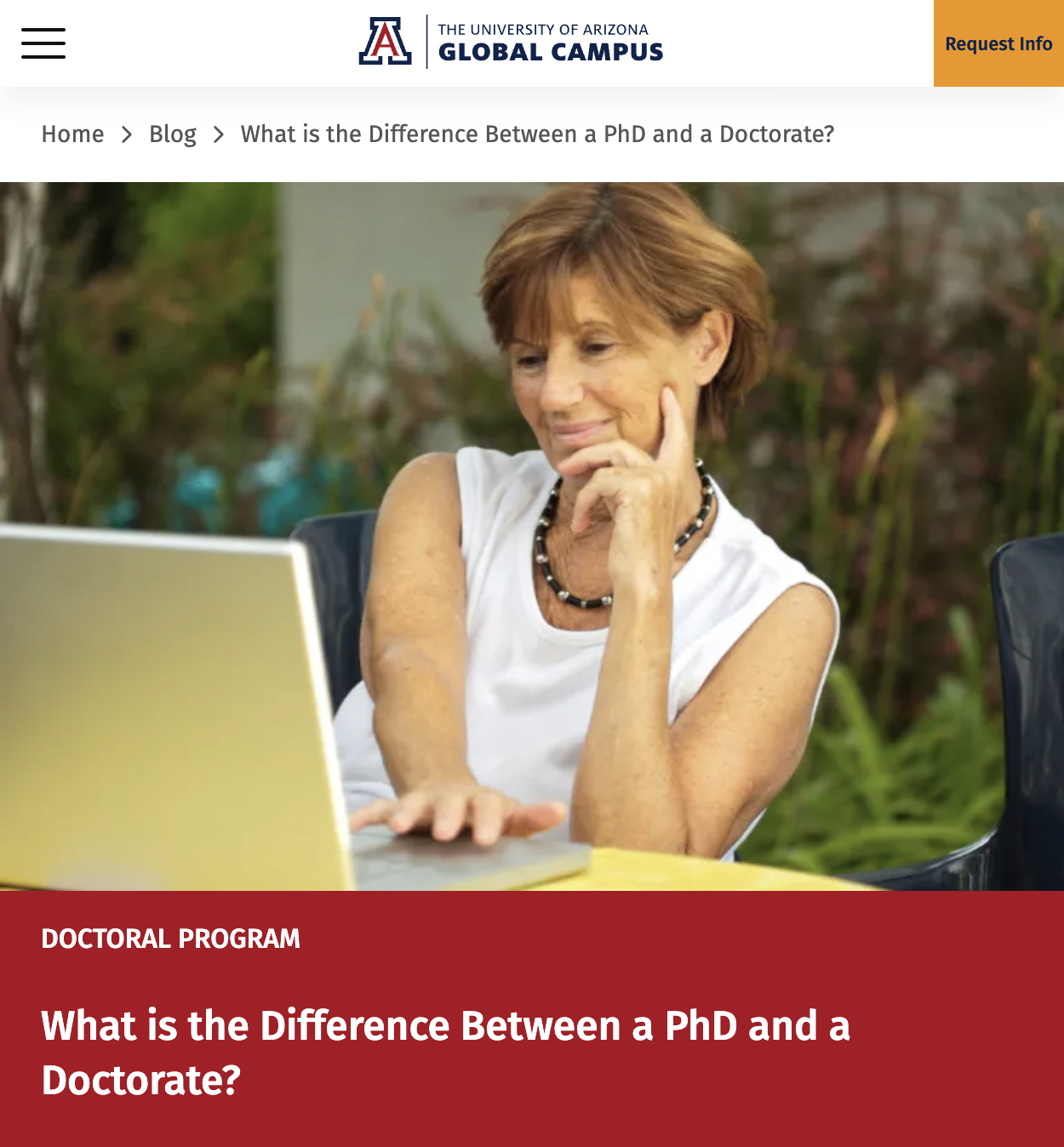
60,937 GSC clicks · 9.1M impressions · Ranks for "phd meaning" at 3.5
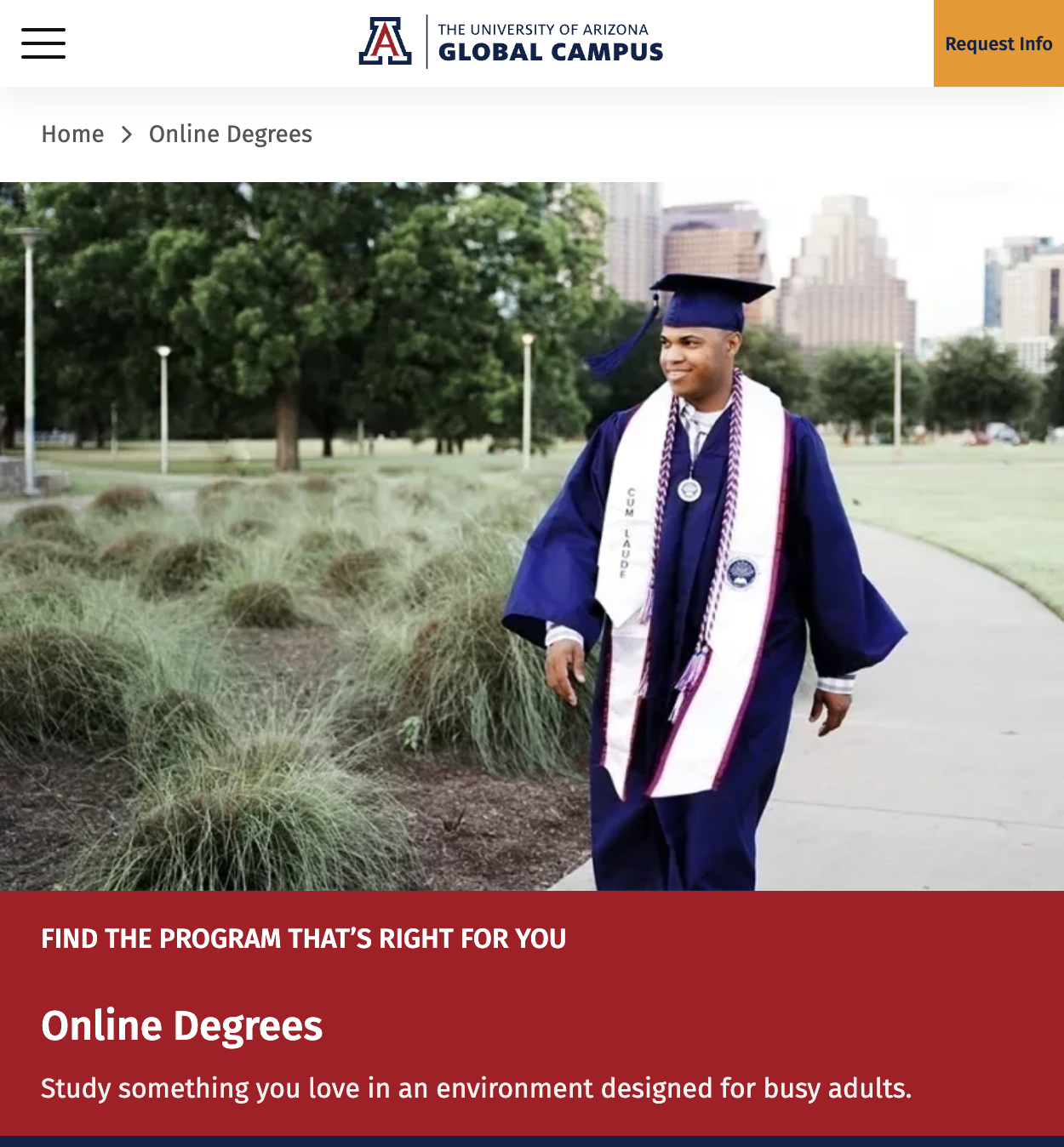
135K sessions · This page does everything right
The PhD blog gets people to stay 8 minutes and read about doctoral programs. Then it shows them... nothing. No CTA. No link to the doctoral program page. 149K engaged readers, 21 leads. That's a 0.01% conversion rate on your best content.
Imagine a restaurant where guests stay for hours, love the food, and never see a check.
What We're Auditing
These aren't opinions. They're what 11.1 million sessions told us.
Visitors Who Know UAGC.
Are We Converting Them?
These visitors are actively evaluating UAGC — branded queries, program browsing. Conversion intent is high.
| Page | Sessions | Eng. Rate | Bounce | Conv. Rate | Conversions |
|---|---|---|---|---|---|
| / | 1,316,750 | 56.7% | 43.3% | 2.0% | 23,133 |
| /online-degrees | 135,507 | 88.8% | 11.2% | 5.82% | 3,428 |
Top Queries (96% branded)
Engagement Comparison
/online-degrees is the gold standard. Program-specific navigation, outcome data, and appropriate content depth before the form. The homepage tries to serve everyone — and loses 43% immediately.
243K Readers. 84 Conversions.
The Content–to–Enrollment Gap.
These visitors are researching topics, not evaluating UAGC. They don't know they're on a university site. The content engages — but there's no bridge to enrollment.
| Blog Post | Sessions | Avg Time | Eng. | Conv. | Conv. Rate |
|---|---|---|---|---|---|
| PhD vs Doctorate | 148,831 | 8.1 min | 67.8% | 21 | 0.01% |
| Business Plan | 74,663 | 14.7 min | 63.0% | 63 | 0.08% |
| 5 Principles Mgmt | ~20K est. | — | — | ~0 | ~0% |
| Total | ~243K | 84 | 0.03% |
What visitors are searching
100% informational intent. Zero brand awareness.
The Missed Opportunity
What’s missing
Contextual CTAs that bridge content to programs. PhD blog → “Explore UAGC’s Doctor of Education”. Business plan blog → “Explore UAGC business degrees”. One in-content module per post. No generic RFI — topic-matched program links.
The readers are already here. We just forgot to tell them we’re a university.
Pages to Review — Paid
| Page | Sessions | Eng. Rate | Conv. Rate | Conversions |
|---|---|---|---|---|
| /success/request-info-v5 | 1,177,574 | 46.8% | 3.01% | 35,498 |
| /success/.../bachelors-v5 | 458,070 | 43.1% | 3.50% | 16,013 |
| /success/military-v5 | 310,713 | 52.9% | 3.07% | 9,551 |
| /success/.../courses-v5 | 262,257 | 74.5% | 7.25% | 19,005 |
| /success/degree-programs-v7 | 221,507 | 74.9% | 13.57% | 30,066 |
The bottom two pages have fewer sessions but nearly equal or more conversions than the top three combined. Better pages beat bigger budgets. If /request-info-v5 converted at even 7%, that's 47K additional leads from existing traffic.
The pages with fewer visitors are outperforming the ones with more. Fix the page, not the budget.
Where the Ad Budget
Actually Goes
Cost per Conversion by Page
Spend Breakdown
| Page / Campaign | Spend | Conv. | $/Conv |
|---|---|---|---|
| Courses (Search) | $1.64M | 3,901 | $421 |
| Bachelor's (Search) | $1.41M | 2,739 | $514 |
| Programs-v7 (Search) | $767K | 3,399 | $226 |
| PMax General | $734K | 477 | $1,539* |
| RFI-v5 (DemandGen) | $564K | 3,228 | $175 |
| Awareness (YT/CTV) | $243K | 0 | — |
Data note (Apr 2026, per Performance Marketing): PMax $1,539/conv may reflect different conversion-action definitions. $243K in awareness spend produces zero conversions. Cost-per-lead figures require validation with per-action data.
How Users Search for UAGC
Global Campus" clicks
clicks (legacy)
Copy Implications
Organic: "UAGC" is searched 2x more — but this is largely navigational (students/staff). Paid (per Kevin, Jan–Mar 2026): "University of Arizona Global Campus" delivers 2.5x more leads at half the CPL ($75 vs $141). Lead with the parent brand for prospects; "UAGC" for returning users.
The Ashford Ghost
15K people still search "Ashford University." That's not a problem — it's free traffic. Make sure redirects are tight and the transition narrative is clear.
Ashford graduated, but people still call it by its maiden name.
Organic Is Declining
H1 (Apr–Oct 2025) vs. H2 (Oct 2025–Apr 2026) across key pages.
Homepage organic clicks down 41.6%, blog content down 49.7%. Likely causes: AI overview cannibalization and increased SERP competition. The login→myuagc migration is a portal change, not a traffic loss.
Google's AI overviews are answering "what is a PhD" so well that people don't need to click anymore. The site needs to offer what AI can't.
Others Have Solved This
UT Tyler got +700% RFI conversions. They didn't spend more on ads. They fixed the page.
Where to Focus
-
1
Fix /success/request-info-v5
1.18M sessions, 53.2% bounce, 3.01% conv rate. Enrich with tuition, outcomes, start dates, testimonials, and program detail. Target: 7%+ conv (matching Paid Search pages) = 2x current conversions from existing traffic.
-
2
Add CTAs to Blog Content
PhD blog: 149K sessions, 68% engagement, 21 conversions. Business plan: 75K sessions, 63% engagement, 63 conversions. The content works. The funnel doesn't.
-
3
Mobile-First Above the Fold
60% of traffic is mobile. Bounce is 6–12pp higher than desktop everywhere. Chat overlap and form placement are urgent.
-
4
Improve RFI Page Experience
Add program-specific content, social proof, and value props around the existing forms. The form structure is fine — the page content is the gap.
-
5
Clone the Winners
/online-degrees (88.8% eng.) and /degree-programs-v7 (13.6% conv) do it right. Document and apply their patterns to every underperformer.
-
6
Address Declining Organic
Homepage -41.6%, blog -49.7%. AI overviews are eating informational queries. Pivot content strategy toward what AI can't answer.
Every channel performs better when visitors see what they came for
Our best page converts at 13.57%. Our highest-traffic page converts at 3.01%. The difference isn't the form — it's whether the page answers the visitor's questions before asking for information.
/request-info-v5
The content-rich model
Even a modest improvement — 3% to 7% — doubles conversions from existing traffic. No new spend.
Next Steps
Audit & Document
Screenshot all 10 pages (desktop + mobile)
Audit RFI page content — generic vs. program-specific
Chat widget occlusion audit on mobile
Side-by-side: what trust elements from /degree-programs-v7 to adopt in the hybrid
Contentsquare deep-dive on /s/* funnel rage clicks
External validation: competitors, benchmarks, subdomains, post-RFI flows
→ Complete picture of where friction lives — internal and external
Quick Wins
Enrich /request-info-v5 with program content + social proof
Add blog CTAs: PhD → doctoral programs, business plan → business degrees
Test two-step RFI on one paid page (Empire State model)
Fix rage-click elements on /apply-now
→ Measurable lifts before the full reskin
Reskin Requirements
Reskin requirements doc with P0/P1/P2 tiers
Layout patterns from /online-degrees + /degree-programs-v7
Mobile-first viewport spec (375px requirements)
RFI content strategy: what surrounds each form
Present quick-win results to validate approach
→ Build-ready reskin brief backed by test data